Try K-Saju Yourself: What Battle of Fates Contestants Are Actually Reading
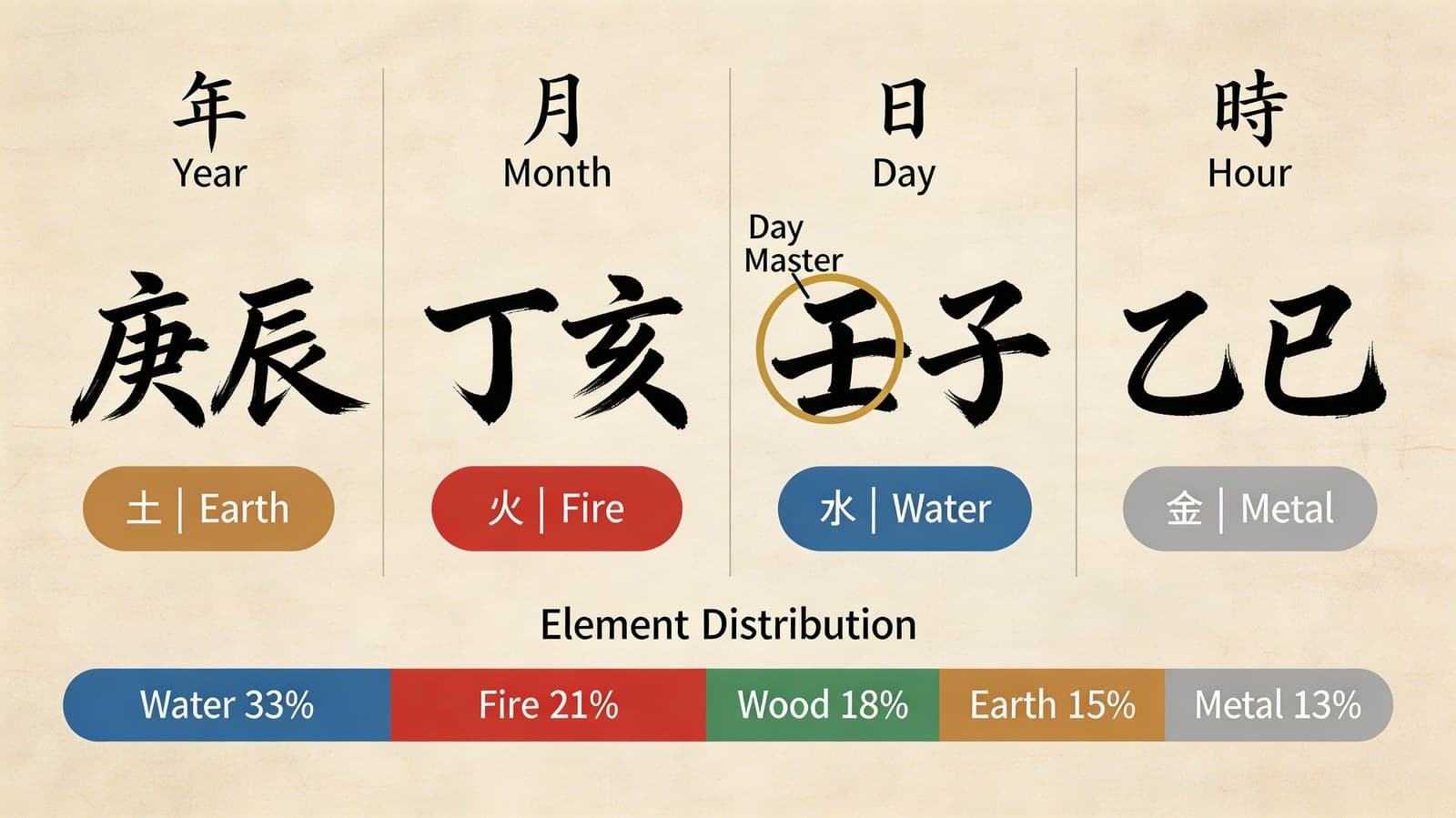
The masters on Battle of Fates aren't reading your energy. They're reading a chart — eight characters derived from your birth data. Here's how to see yours in under a minute.
The Hulu hit turned Korean fortune-telling into a survival competition. But saju — the BaZi-based system at the heart of the show — was never designed to prove anything to anyone.
Battle of Fates (운명전쟁49) has been climbing streaming charts since it dropped on Hulu and Disney+ on February 11th. Forty-nine Korean fate readers — shamans, saju masters, tarot readers, face readers — competing in elimination rounds to prove they can genuinely read destiny. It's tense. It's dramatic. The production values are excellent.
It's also, if you know anything about saju, a little bit like watching a cooking competition where the challenge is to eat the meal as fast as possible.
Technically the food is still involved. But that's not really the point of cooking.
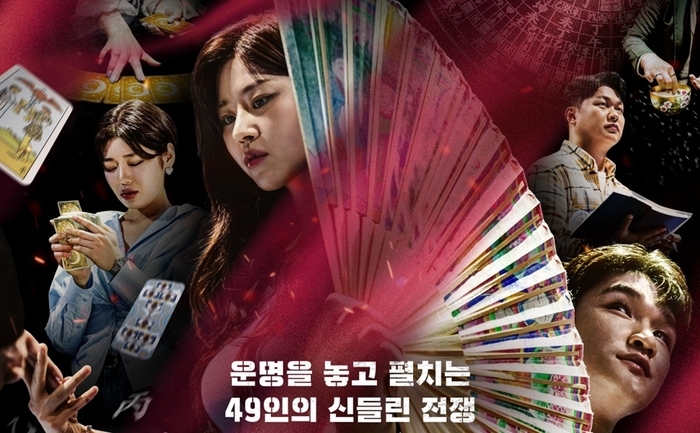
Here's what the show is actually about: performance under pressure, in front of judges, against strangers, with an elimination clock running. The fate readers are asked to read someone they've never met, in minutes, while cameras roll, while other competitors watch. If they're wrong — or not wrong enough to be visibly, compellingly right — they go home.
That's an interesting competition format. I'll watch it. I did watch it.
But saju doesn't work like that. More to the point, saju was never meant to work like that.
The word saju (사주) literally means "four pillars" — the year, month, day, and hour of your birth, each mapped onto a sixty-unit cycle of symbols drawn from Chinese cosmological tradition. Eight characters total. That's your saju palja (사주팔자). Eight characters that describe the elemental landscape you arrived into, and the forces you carry as a result.
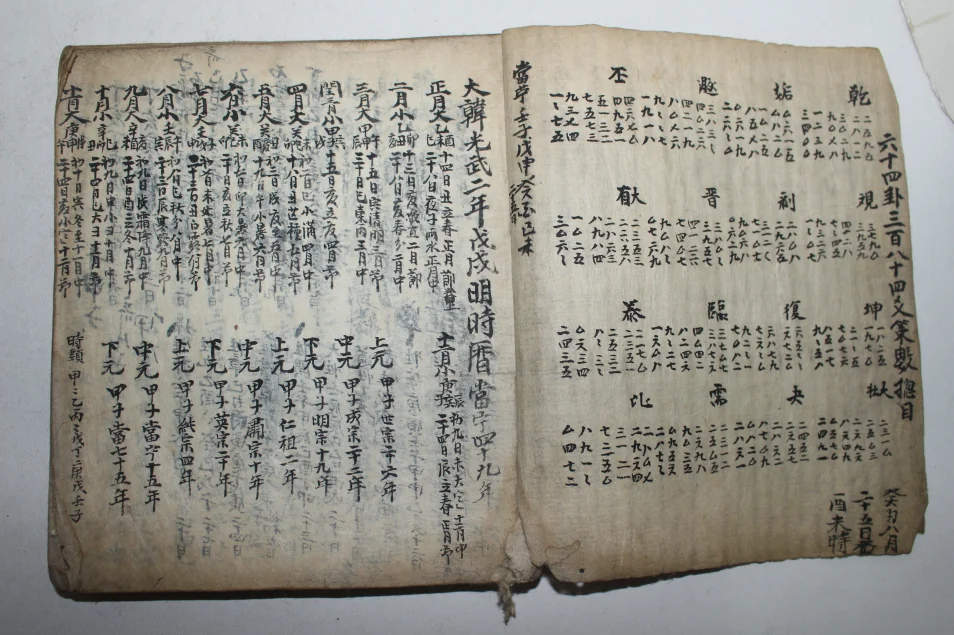
This is also called BaZi in Chinese practice, or Four Pillars of Destiny in English. Same system, different language. It's been refined over roughly fifteen centuries, and if you want to go deep on the history of how it traveled from Tang dynasty China to Korea and became something distinctly its own, we wrote about that here.
The point isn't that it's ancient, though. The point is what it's for.
A saju reading is not a prediction. Or rather — prediction is the least interesting thing you can do with it.
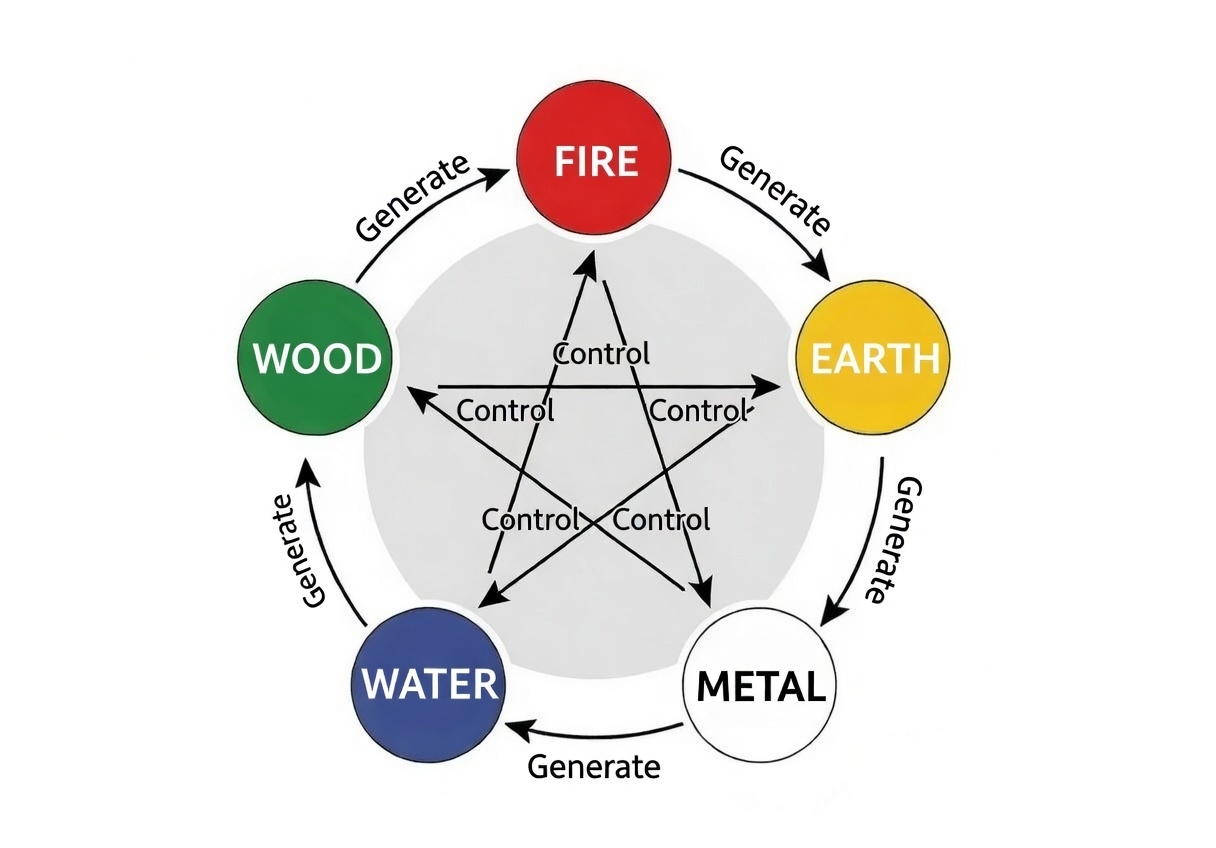
What a chart actually shows you is your elemental makeup: which forces are strong in you, which are weak, where there's internal tension, where there's natural support. Your day master — the element assigned to the specific day you were born — represents your core self. The other pillars shape it. The relationships between them create the particular texture of who you are and how you move through the world.
Then there's time. Your chart doesn't just sit still. The years shift, bringing different elemental energies into relationship with your fixed pillars — some years supportive, some challenging, some neutral. Saju practitioners call the decade-long cycles daewoon (대운, major luck periods) and the yearly cycles sewoon (세운). You're always inside a particular phase. Understanding which phase you're in is less about knowing what will happen and more about knowing what kind of season you're in — and what that calls for.
This is not something you can demonstrate in a televised elimination round. You can't "win" at saju in front of judges the way you might win at, say, identifying a mystery ingredient. The practice is inherently slow, inherently personal, inherently pointed inward.
What the show gets right, without meaning to, is the question underneath all of it.
Every contestant on Battle of Fates — the shamans, the saju masters, the face readers — is there because they believe something: that the forces shaping a human life are legible, if you know how to read them. The audience keeps watching because, on some level, they wonder if that's true. Not for the contestants. For themselves.
Is my fate predetermined? Can anyone truly read it? — that's literally the show's tagline.
And that's the real hook. Not the competition. The question.
Saju's answer to that question is more interesting than either yes or no. Your chart describes a set of tendencies, strengths, tensions, and cycles — but it doesn't determine your choices. The metaphor I keep coming back to is weather. A weather forecast doesn't decide what you do with your Tuesday. But knowing there's a storm coming changes how you pack, what you wear, whether you leave early or stay home. The forecast is information. What you do with it is still yours.
The contestants on Battle of Fates are trying to prove saju works — prove it to skeptical judges, to millions of viewers, to each other. And I understand why the show is structured that way. Proof makes good television.
But the people I know who find saju genuinely useful aren't trying to prove anything. They use it the way you'd use a long conversation with someone who knows you very well — to see patterns you're too close to see yourself, to understand why certain situations always feel like swimming upstream, to recognize which seasons of your life call for pushing forward and which call for consolidating.
That's not a performance. It's the opposite of a performance.
If Battle of Fates made you curious — about what those saju masters are actually looking at, about what your own chart would say — that's the thread worth pulling.
At Qiora, you can see your actual Four Pillars: your day master, your elemental balance, your current luck period. The same system the show's practitioners are using, without the countdown clock and the elimination pressure.
Because saju was never about proving your fate to anyone else.
It was always about understanding it yourself.
Takes less than a minute · No signup required
Saju readings are meant for self-reflection and personal growth — not as a substitute for professional financial, medical, or legal advice. Your choices always shape your life more than any chart can.
The masters on Battle of Fates aren't reading your energy. They're reading a chart — eight characters derived from your birth data. Here's how to see yours in under a minute.

The show's tagline asks: can anyone truly read your fate? It's a better question than the show is equipped to answer. Here's what a saju practitioner actually thinks.
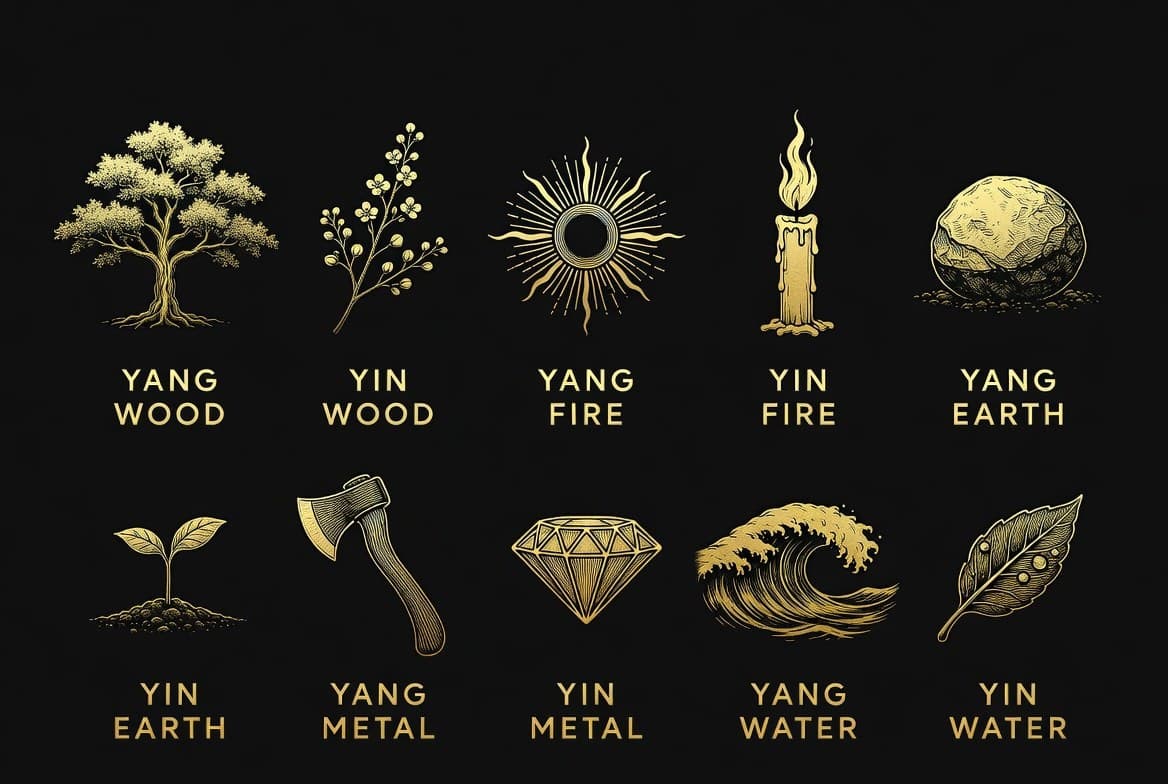
Battle of Fates contestants keep talking about water types, fire types, metal energy. But nobody on the show tells you how to find yours. Here's what they're actually looking at.