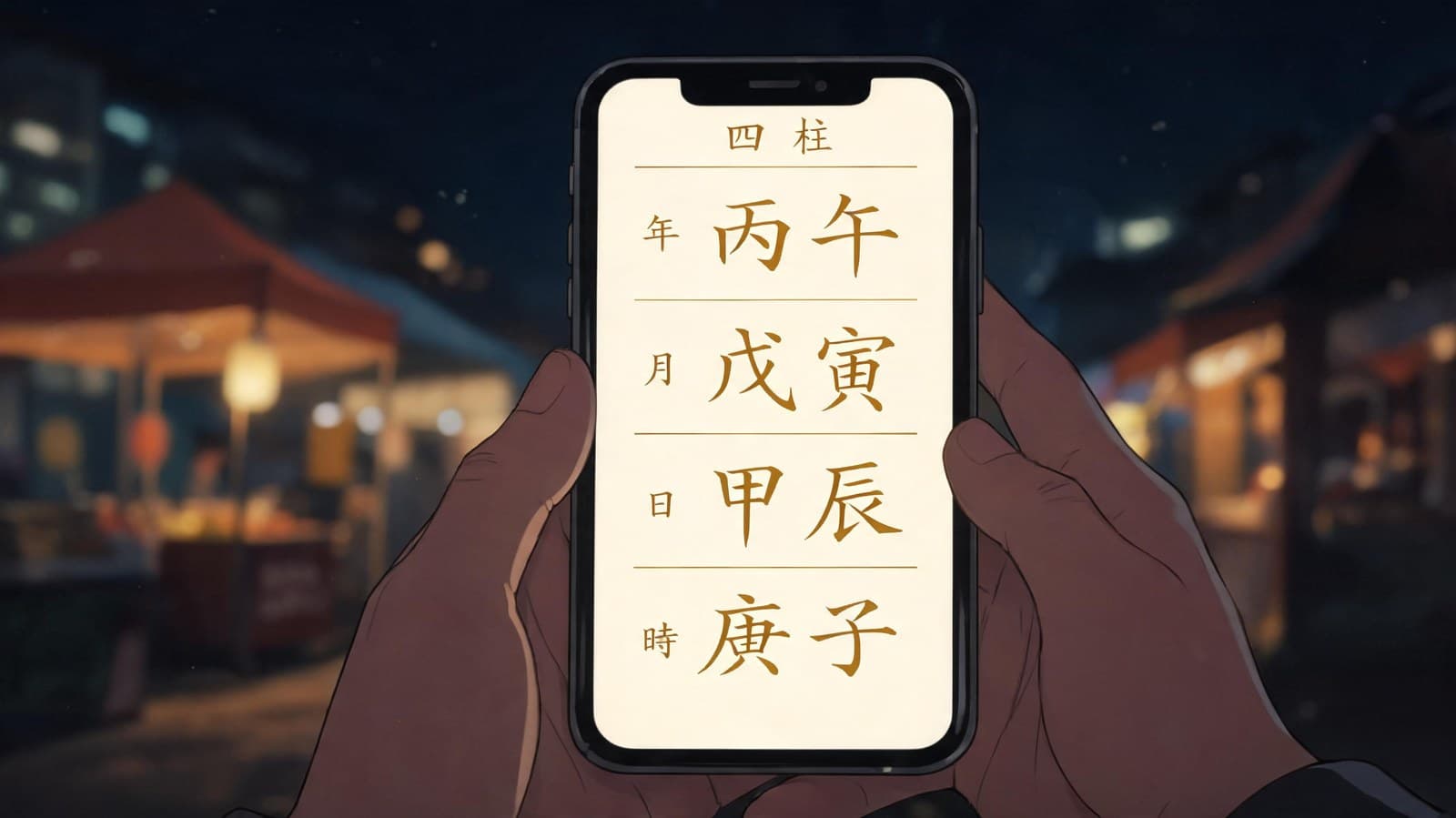
Read My Saju: How to Actually Get a Korean Saju Reading in English
People are typing 'read my saju' into search bars in record numbers, but actual English readings are scarce. Here is every real option, including the free one that takes two minutes.
More people are getting saju readings than ever. But not all readings are created equal — and the gap between a good one and a bad one is wider than you think.
A friend of mine once paid $80 for a saju reading that told her she had "strong fire energy" and should "avoid conflict this year."
That's it. That was the whole reading. Fifteen minutes, $80, and two sentences that could apply to literally anyone born in any year. She could have gotten the same insight from a fortune cookie. The cookie would have been cheaper.
The worst part? She was taking it seriously. She'd spent days holding those two sentences up against her real life, weighing every choice against them.
Here's what makes saju tricky as a consumer: the barrier to entry for offering readings is essentially zero.
A weekend workshop, a downloaded template, a basic app — that's all it takes to start offering readings. Meanwhile, serious practitioners spend years studying the interactions between elements, branches, and ten gods before they'd consider reading for someone else. The problem isn't that saju is unreliable. It's that the quality range is huge — and you usually have no way to tell where your reading lands.
I've seen readings that mapped someone's entire career trajectory with eerie precision. I've also seen readings that amounted to a horoscope with Korean vocabulary stapled on. They look similar from the outside. The difference only becomes obvious when you know what to look for.

This is the most basic tell, and it's the most common.
Your saju chart has four pillars — year, month, day, and hour. The hour pillar is one-quarter of your entire chart. It carries clues about how you age, what parts of you have yet to surface, and — critically — it determines the complete set of elemental interactions in your chart.
A reading without the hour pillar is working with 75% of the data. That might sound like "close enough," but it's not. It's like a doctor diagnosing you after looking at three out of four test results. The missing one might be the one that changes everything.
If a service generates your reading from just your birth date — no time — what you're getting is a very rough sketch.
Now, there's a legitimate edge case: many people genuinely don't know their birth time. A skilled reader can still provide some useful analysis from three pillars. The difference is that a good reader will tell you what they can and can't determine without the fourth pillar. A bad one will act like it doesn't matter.
This one is subtle but important.
A saju chart is a map of elemental tensions. Every chart has strengths and challenges. Every chart has periods that flow easily and periods that require effort. That's not pessimism — it's how the system works. The five elements generate and control each other in a continuous cycle. There is no chart that's all generation and no control.
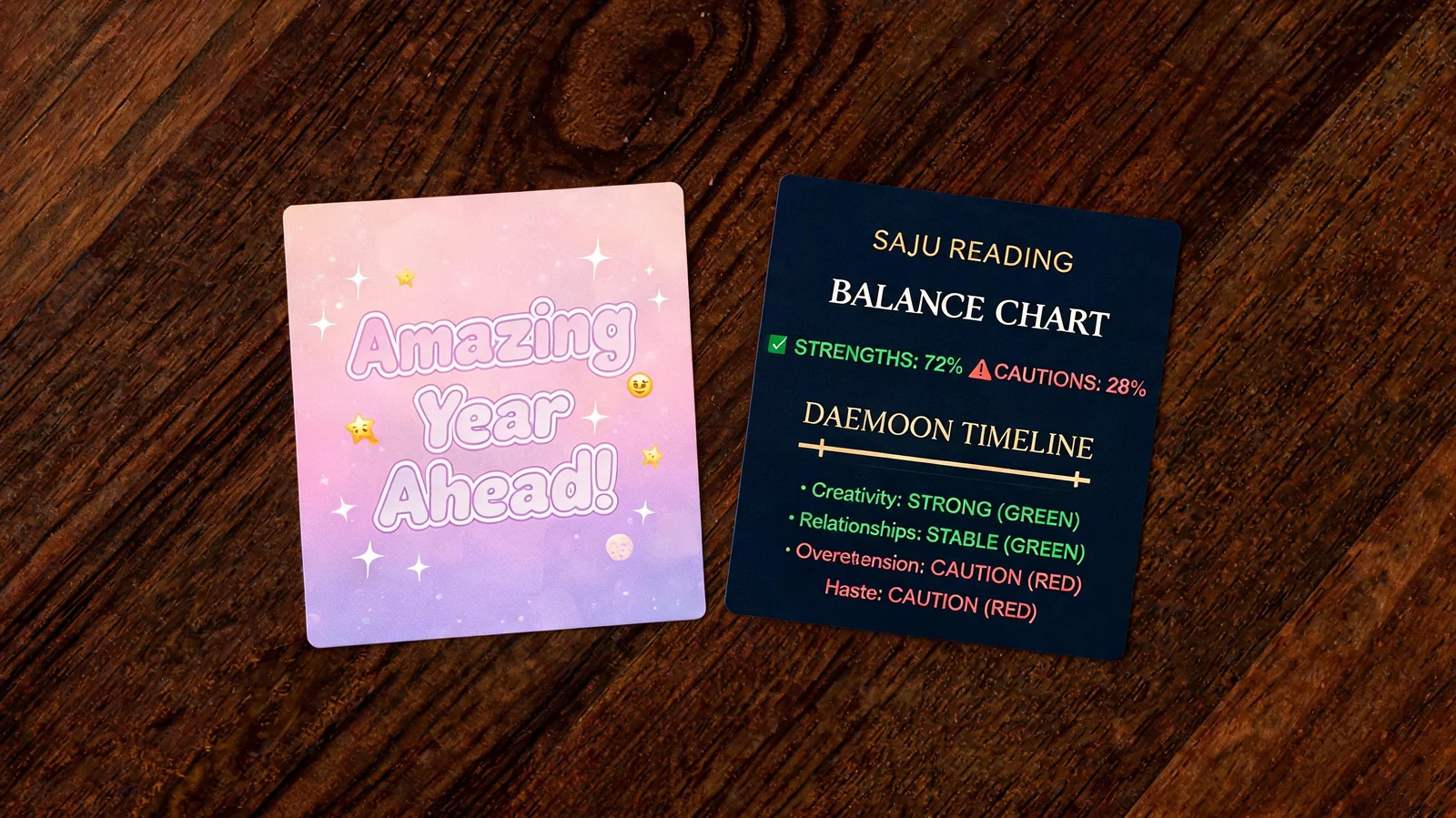
If your reading is exclusively positive — "great career luck! wonderful relationships! prosperity ahead!" — you're not getting a reading. You're getting customer retention.
The best readers I've encountered are the ones who say things like: "This decade brings strong metal energy, which supports your career ambitions. But your day master is wood, and metal cuts wood — so you'll need to be careful about overwork and burnout. The growth is real, but it has a cost. Let's talk about managing that."
That's specific. That's balanced. That acknowledges complexity.
"You have great energy this year!" is not a reading. It's a greeting card.
"You will meet your soulmate at 34." "This year is terrible for starting a business." "Your chart shows you should never live in the south."
When a reader speaks in absolutes, one of two things is happening: they don't understand the system, or they don't care if they're wrong. Saju deals in tendencies, affinities, and energetic dynamics — not certainties.
A knowledgeable reader says: "The energy this year creates friction with business ventures. If you're planning to start something, you'll face more resistance than usual. That doesn't mean don't do it — it means go in with more preparation and thicker skin."
The difference is enormous. One version shuts doors. The other gives you a weather report.
If your reading doesn't reference your current daewoon (大運) — the ten-year luck cycle you're in — it's missing the most dynamic part of the analysis.
Your birth chart is fixed. It's the hand you were dealt. But daewoon is the game you're currently playing. Every ten years, a different elemental current moves through your chart, and it fundamentally changes how your birth chart expresses itself.
Two people with identical birth charts can have vastly different experiences if they're in different daewoon periods. A chart with weak fire might struggle for decades — until a fire daewoon arrives and suddenly everything that felt stuck starts moving.
A reading that only looks at your birth chart without considering your current daewoon is like reviewing a movie based on the casting alone, without watching the actual film.
Here's a simple test: after your reading, ask yourself whether the same words could apply to someone born on a completely different day.
"You're a creative person who sometimes struggles with discipline." That applies to roughly everyone.
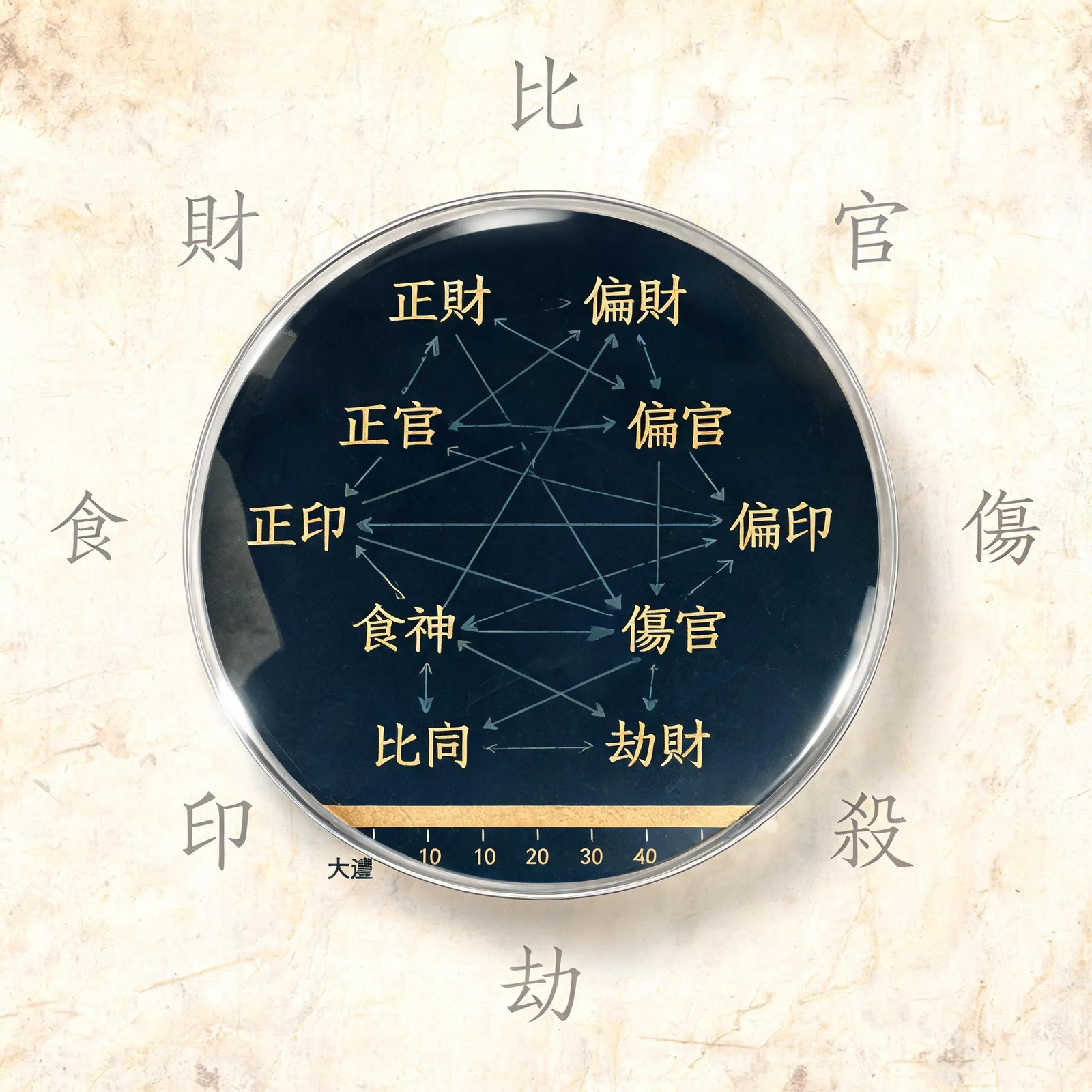
"You're a jeongkwan (正官, proper authority) dominant chart — you thrive in structured environments with clear hierarchies, but your sangkwan (傷官, rebel artist) in the month pillar means you're constantly chafing against the structure you need. Your current metal daewoon is intensifying that tension." That applies to you.
The specificity test is mean. But it works. If the reading doesn't contain details that are uniquely tied to your chart — specific element interactions, specific ten-god dynamics, specific timing patterns — then you got a template, not an analysis.
Those are the warning signs. Here's what to look for instead.
I'll describe the best reading I ever received, not to set an impossible standard, but to show what's possible.
The reader spent the first ten minutes not talking. She was mapping my chart on paper — drawing lines between elements, noting interactions, checking my current daewoon. When she started speaking, her first sentence was a question: "Did something significant change in your work life around age 28?"
It had. I'd switched careers. She hadn't asked what I did for a living.
She nodded. "Your daewoon shifted from earth to metal at that point. Earth was supporting your stability; metal came in and started cutting. For someone with your day master, that transition often triggers a career pivot. The next shift comes around 38 — fire energy. Completely different dynamic."
She didn't predict my future. She showed me the pattern and got out of the way. That's what good saju looks like.
The growing interest in saju is a good thing. More people thinking carefully about who they are and how time shapes them — that's worth encouraging.
But more interest also means more noise. And the cost of a bad reading isn't just wasted money. It's a missed insight, or worse, a wrong turn taken with false confidence.
The chart is real. The system is real. The question is whether the person reading it for you has actually done the work to understand what they're looking at — or whether they're just holding the chart upside down and hoping you won't notice.
Takes less than a minute · No signup required
Saju readings are meant for self-reflection and personal growth — not as a substitute for professional financial, medical, or legal advice. Your choices always shape your life more than any chart can.
People are typing 'read my saju' into search bars in record numbers, but actual English readings are scarce. Here is every real option, including the free one that takes two minutes.
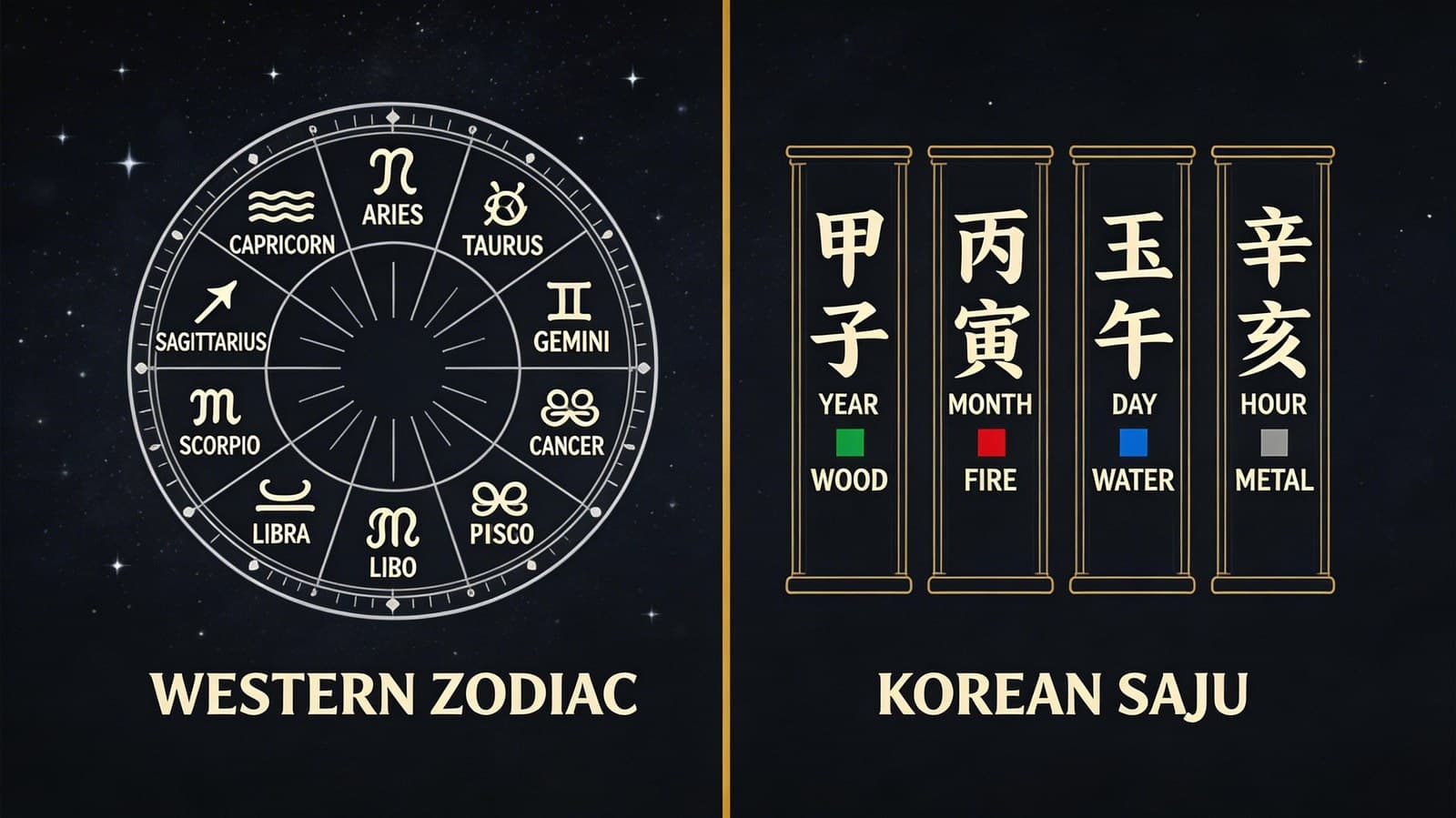
Western astrology and Korean saju both start at your birth moment — but they're asking completely different questions. One groups you with millions. The other finds just you.
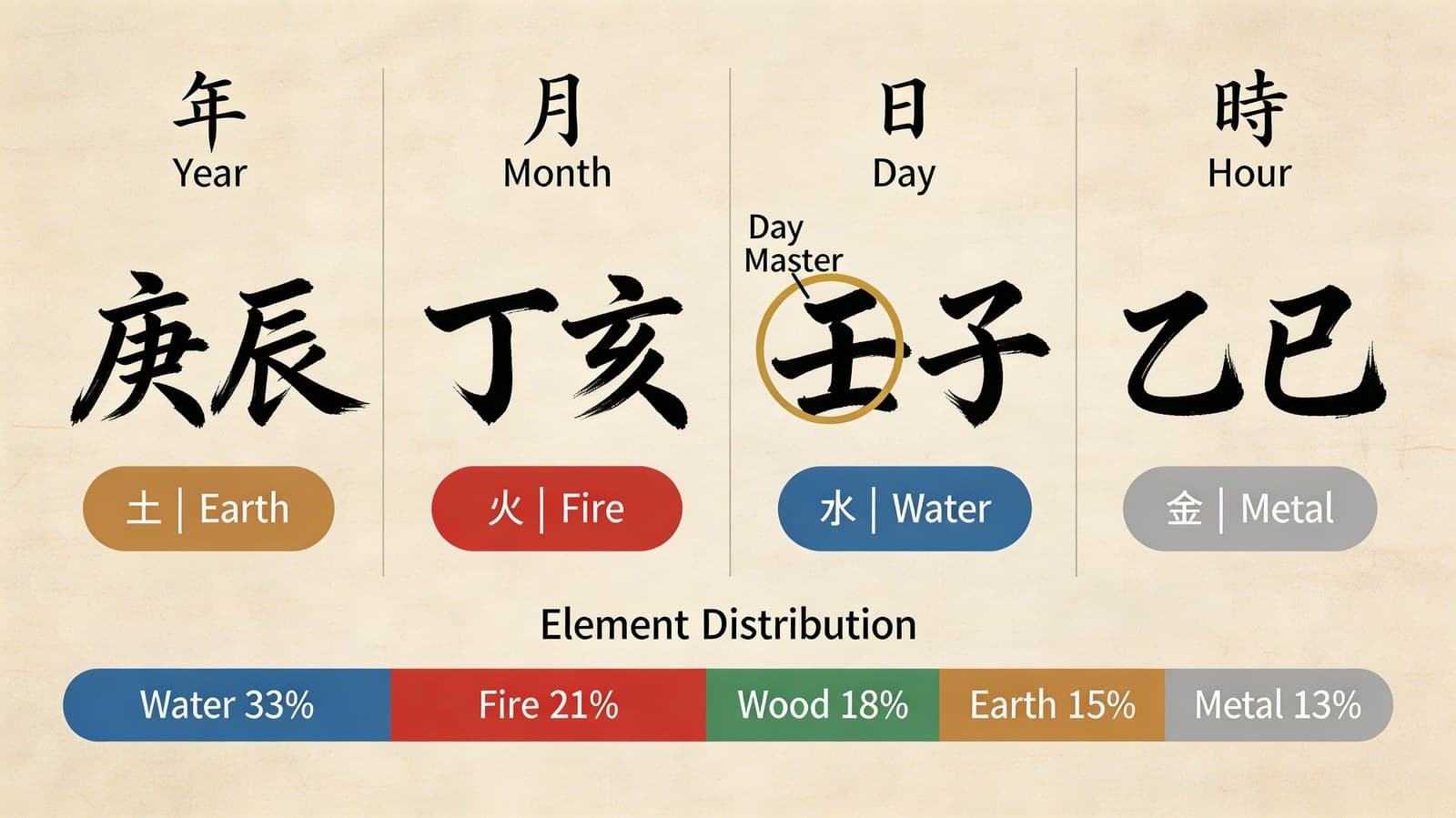
The masters on Battle of Fates aren't reading your energy. They're reading a chart — eight characters derived from your birth data. Here's how to see yours in under a minute.