
Red Flags: How to Tell a Good Saju Reading from a Bad One
More people are getting saju readings than ever. But not all readings are created equal — and the gap between a good one and a bad one is wider than you think.
People are typing 'read my saju' into search bars in record numbers, but actual English readings are scarce. Here is every real option, including the free one that takes two minutes.
There's a thread on r/seoul that has been quietly collecting replies for more than two years. Someone offered saju readings in English. The comments never stopped: "Can you do mine please?" "Are you still offering?" One after another, like a line outside a fortune teller's tent that never gets shorter.
I keep coming back to that thread because of what it proves. A lot of people want their saju read in English, right now, and most of them have nowhere to go.
If you've typed "read my saju" into a search bar lately, this is the answer I wish that Reddit thread could give: what a reading includes, where you can actually get one in English, and how to see your own chart in the next two minutes without paying anyone.
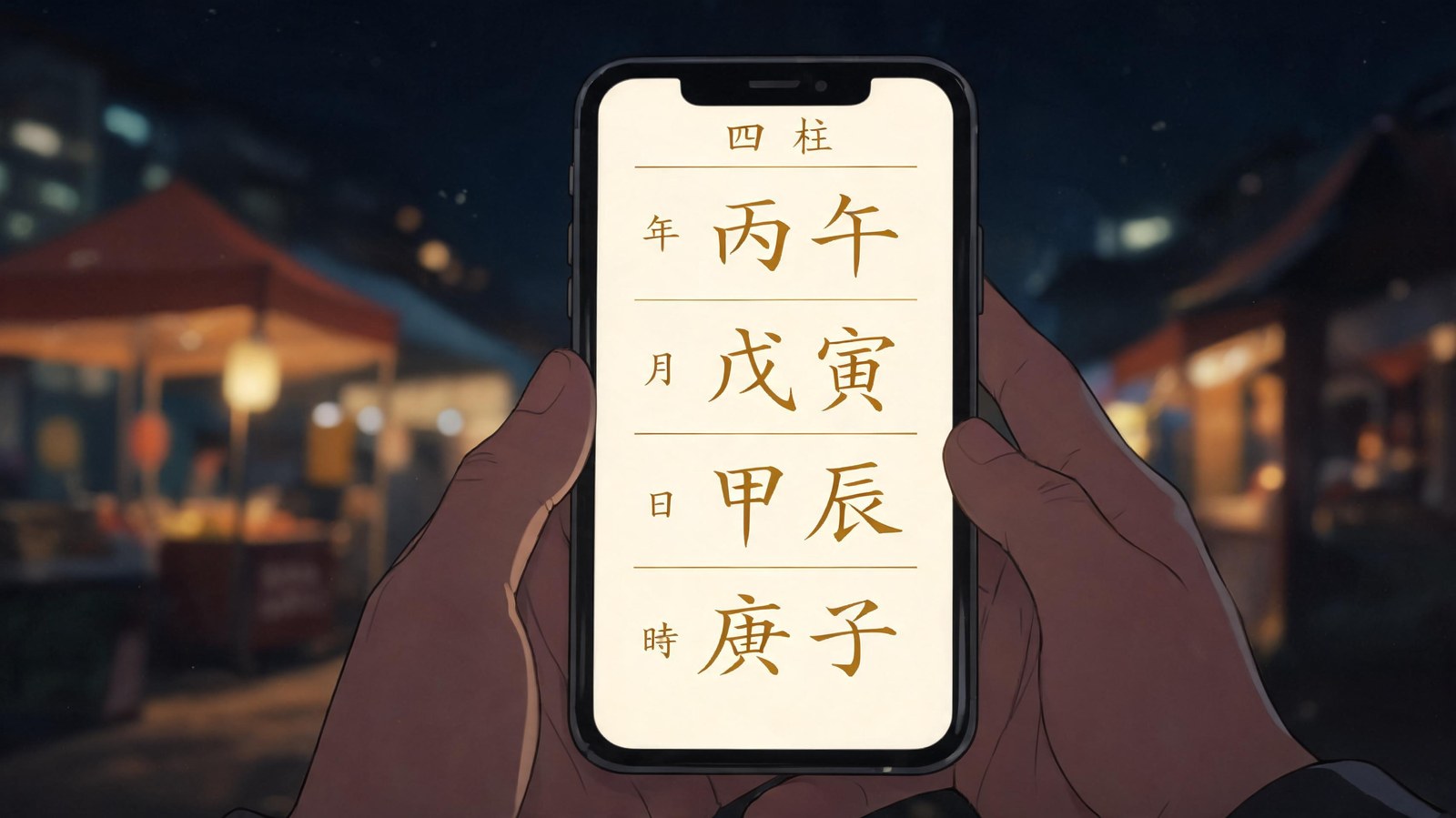
Two things happened.
First, TikTok discovered the Day Master. Korean creators started teaching non-Koreans how to find theirs, typing people as "a great tree" or "a candle flame" or "a polished sword." The hashtag crowd calls it SJPJ, short for saju palja, and the pitch is usually some version of "this is the new MBTI." That framing matters. Nobody on TikTok is asking whether they'll get rich in 2027. They're asking what kind of person the chart says they are. Saju entered the West as an identity system, not a crystal ball.
Second, Battle of Fates put saju on a global streaming platform. The Disney+ survival show ran 49 fortune tellers through elimination rounds in early 2026, and suddenly viewers who had never heard the word saju were watching masters read birth charts on screen. We wrote about what the show reveals about Day Masters if you want the deeper cut.
So the curiosity is real. The supply of English readings has not kept up. Hence the Reddit line.
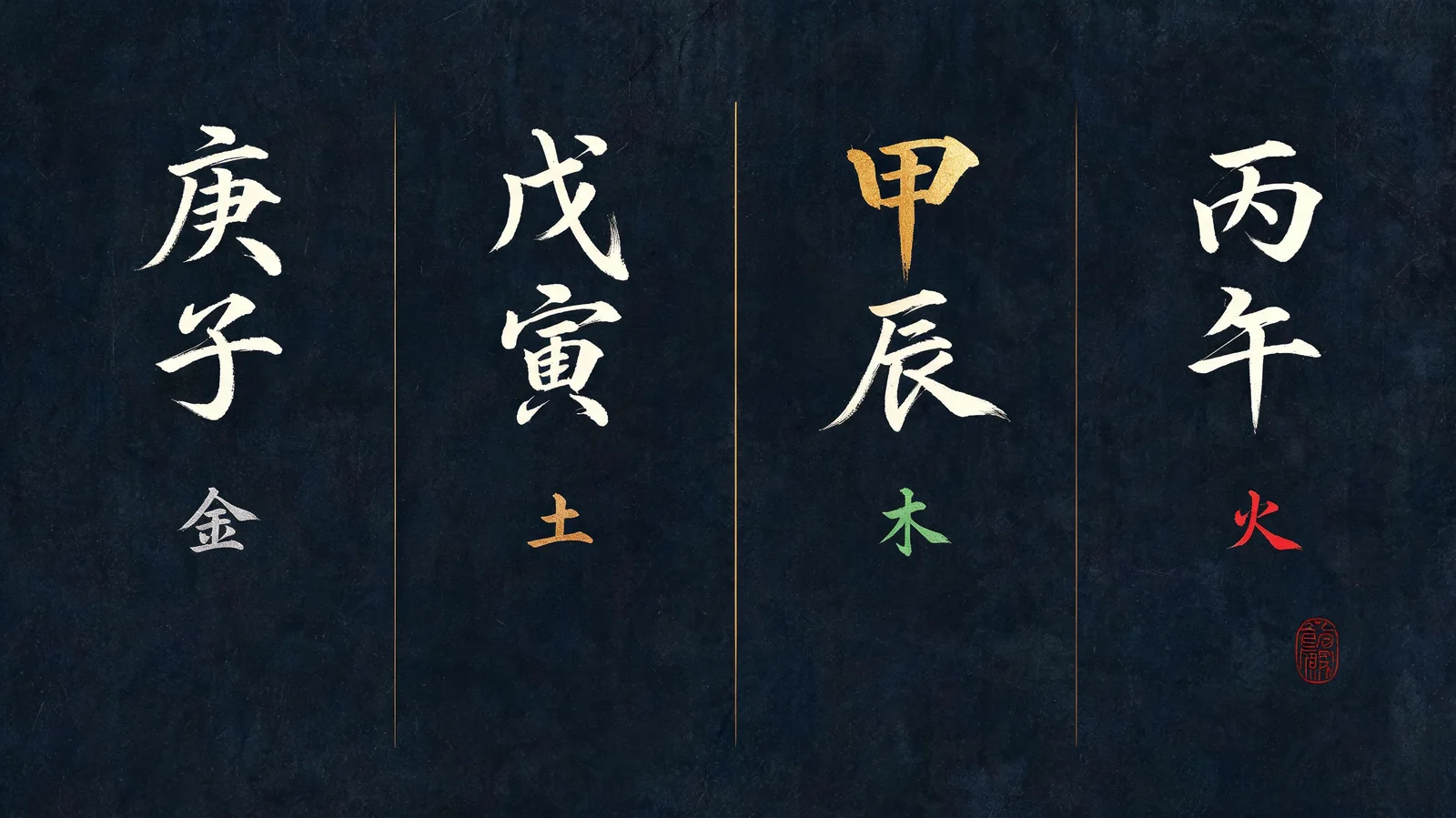
Saju (四柱) means "four pillars." Your birth year, month, day, and hour each form one pillar, and each pillar carries two characters. Eight in total, which is why Koreans say saju palja (四柱八字), "four pillars, eight characters."
From those eight characters, a reading draws out a few core things:
A zodiac sign sorts you into one of twelve boxes. A saju chart is one of 518,400 possible configurations. That difference in resolution is the entire reason a good reading can feel unsettlingly specific.
That's the machinery. The harder question is who should run it for you, because your options in English are uneven.
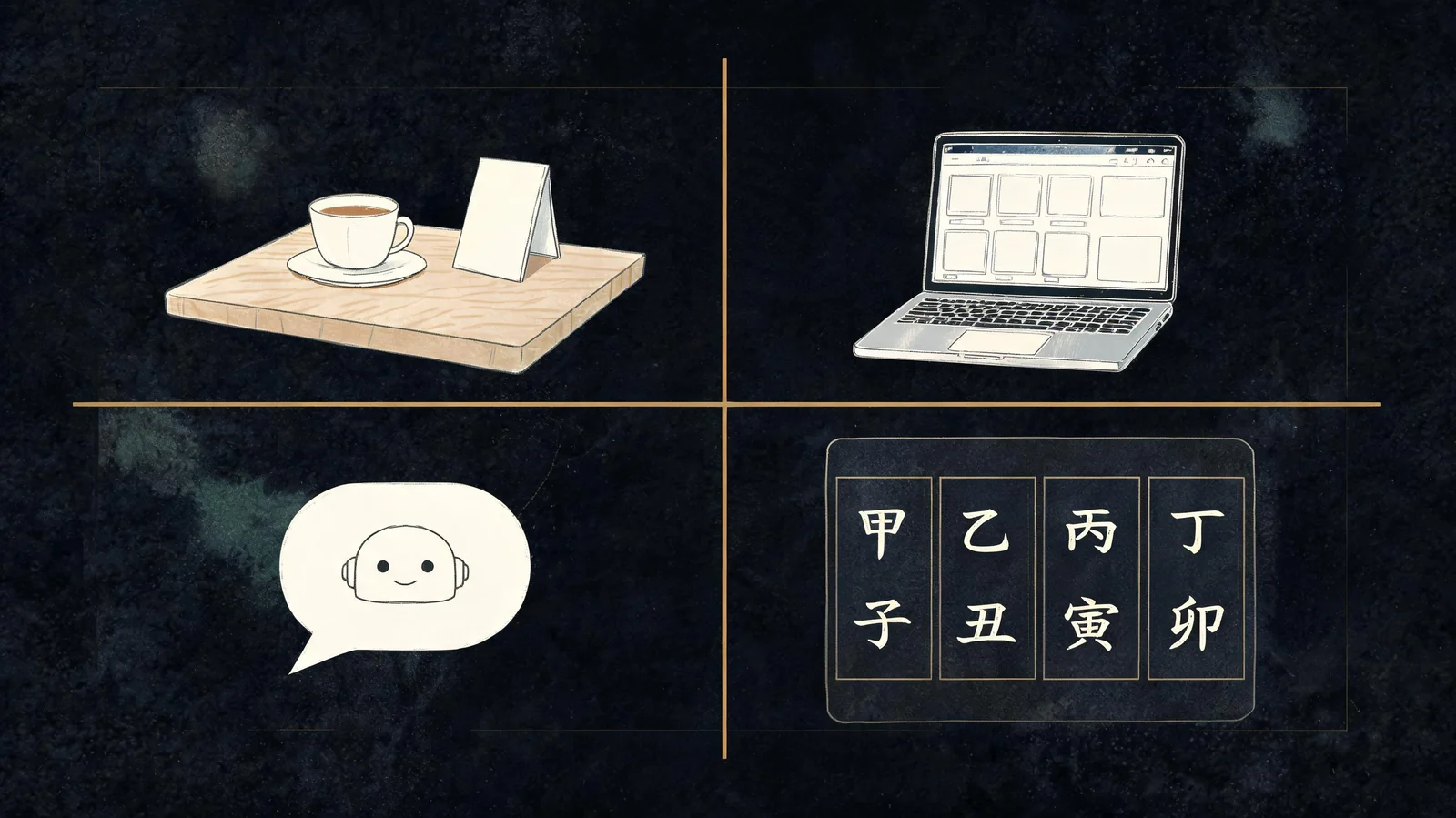
A saju cafe in Seoul. The classic experience: a quiet table in Hongdae, tea, a reader working through your chart while you try to look calm. If your trip is already booked, do it. The catch is language. English-speaking readers exist, but finding one is mostly luck, and travelers on Reddit trade their names like rare trading cards.
An online human reader. Marketplaces like Etsy now have saju readers, and some people report genuinely good experiences. Quality varies wildly, though, with no real way to check credentials. And one complaint keeps surfacing from people who've sat with human readers: the softening. As one Redditor put it, the teller "only tells you stuff that's nice to hear." A reading that never says anything uncomfortable isn't a reading. It's a compliment with incense.
The viral ChatGPT prompt. There's a copy-paste prompt going around TikTok that asks a chatbot for a full four pillars reading. Free, instant, and I understand the appeal. The problem is that general chatbots routinely get the chart itself wrong. Saju math involves lunar-solar calendar conversion and solar-time correction, and a chatbot will hand you confident interpretations of pillars that aren't yours. Wrong chart, eloquent reading.
A purpose-built saju engine. Tools that calculate your chart against a real manseryeok (Korean calendrical database) first, then interpret what's there. This is what we build at Qiora, so weigh my bias accordingly. But the order of operations is the whole point: calendar math first, interpretation second. Get the first part wrong and nothing after it matters.
It comes down to three steps.
That's the whole thing. No account, no payment, a few seconds of typing.
This is also what separates it from that viral prompt. A chatbot left to guess your pillars wanders off and invents things. Give it a chart Qiora has already worked out properly, and it stays on the rails. Good data in, an accurate reading out.
A few honest markers, whichever option you choose.
A good reading is specific. It names tensions: your chart runs hot on 火 and thin on 水, so you start fast and burn out faster. It talks about timing. It tells you at least one thing you don't enjoy hearing.
A bad reading flatters, threatens, or sells. Anyone who claims your future is fixed, or offers to remove bad luck for a fee, is running a different business than saju. We keep a full list of warning signs in how to spot a bad saju reading, and it applies double online.
Saju doesn't tell you what will happen. It describes tendencies and timing. In Korea, checking your saju at the new year is closer to a dental checkup than a prophecy. You look at the chart, note where pressure is building, and adjust accordingly. It's maintenance.
So a saju reading, whoever or whatever performs it, is a structured look at your own patterns, drawn from a system Koreans have spent five centuries refining. What you do with it stays entirely yours.
Do I need my exact birth time? No, but it helps. Without it you still get three pillars, which cover your Day Master and element balance. The hour pillar adds the fourth, tied to your later chapters and inner life. If your birth certificate has no time recorded, a reading is still worth doing.
My birthday is on the lunar calendar. Which date do I use? Either one. Korean tools are built for exactly this situation. Enter your lunar date as lunar (Qiora's chart tool has a toggle) and the conversion happens automatically. Tellers in Korea ask this same question before every session, so you're in good company.
Is saju the same as BaZi? Same root system. Four Pillars of Destiny came from China, where it's called BaZi, and Korea built its own reading culture on top of it over five hundred years. We wrote about what Korea did with China's Four Pillars if the history interests you.
Is a saju reading accurate? Honest answer: it's a structured interpretation system, not a prediction machine. Judge any reading by its specificity, not its certainty. If it describes your patterns in a way that helps you decide things, it's doing its job. If it claims to know your future, see the warning signs above.
The line on that Reddit thread is still growing. You don't have to stand in it.
Takes less than a minute · No signup required
Saju readings are meant for self-reflection and personal growth, not as a substitute for professional financial, medical, or legal advice. Your choices always shape your life more than any chart can.
More people are getting saju readings than ever. But not all readings are created equal — and the gap between a good one and a bad one is wider than you think.

Most people open a compatibility report, read the summary, and close it. The summary is the least useful part. Here is what the rest of it is actually telling you.

A gunghap reading gives two people one result. But the two of you are not standing in the same place, and the classical structure has always known which one of you is which.